By the LunarTech Team
For decades, the most valuable knowledge in engineering, science, and history has been trapped. It lives in physical archives, microfiche, and grainy scans—locked away behind a barrier that modern AI has struggled to break.
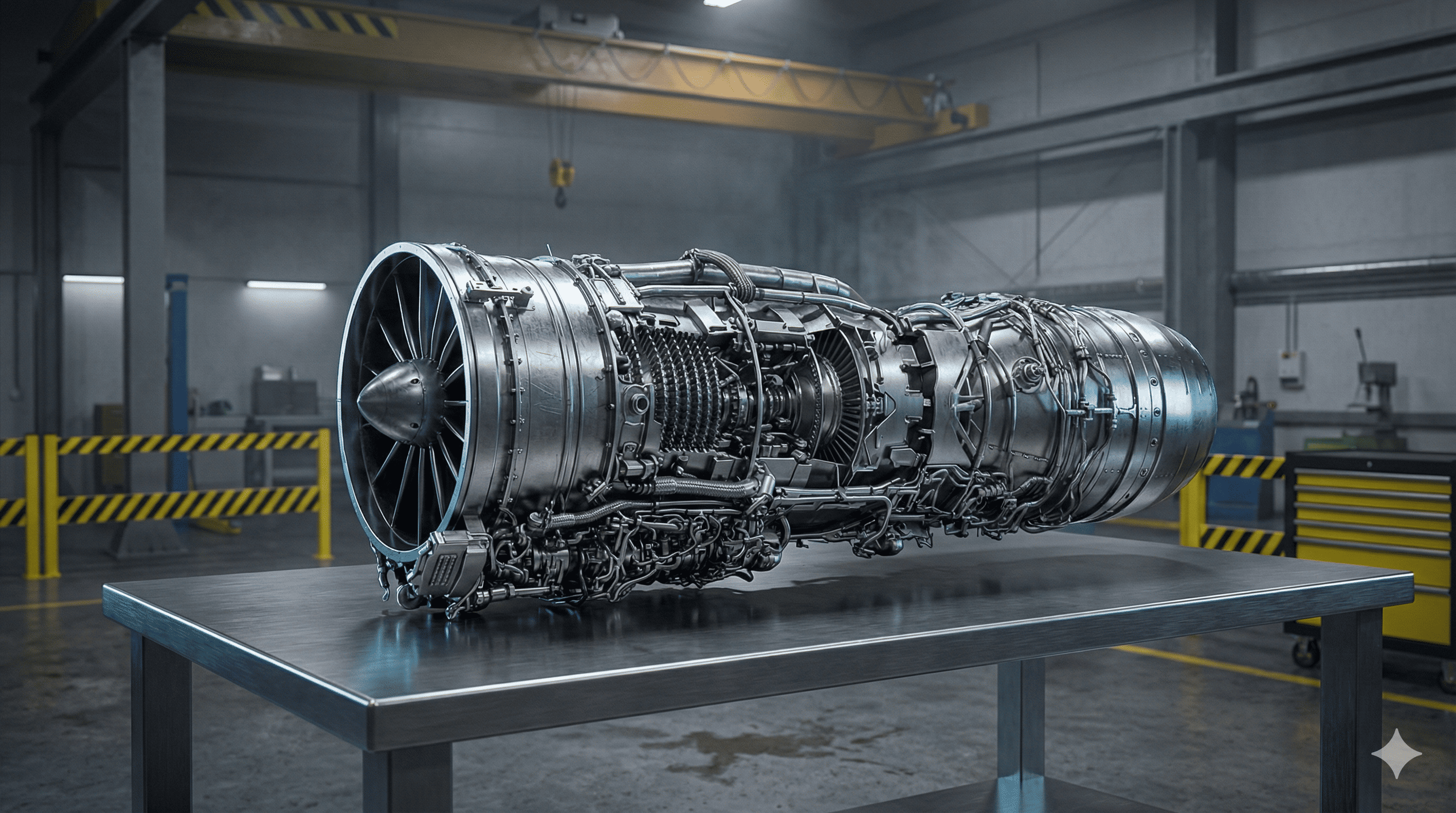
We are talking about documents like the Aerothermodynamic Design of the Spey MK202. These aren't just text files; they are complex tapestries of multi-column layouts, fading typewriter fonts, intricate chemical formulas, and hand-drawn diagrams.
Until now, translating and digitizing a document of this complexity was considered an "impossible" problem in the world of OCR (Optical Character Recognition). To get a usable, machine-readable version of a technical dossier like this previously cost thousands of dollars in manual transcription and specialized consulting. It was slow, expensive, and effectively walled off the past from the future.
Today, we are tearing down that wall.
We are thrilled to introduce Babel Extreme, a new initiative hosted on our Babel Extreme Arena. This is where we tackle the hardest edge cases in document translation—the files that break standard models.
👉 Join the Project: https://github.com/LunarTechAI/babel-extreme-arena
With Babel Extreme, we have successfully digitized the Spey MK202 design report from raw scans. We didn't just extract text; we reconstructed the engineering logic.
To understand why this is a breakthrough, you have to look at the data. The Spey document contains:
Previously, extracting this level of detail required human experts to manually re-type equations and redraw schemas. Now, Babel processes it sustainably and accurately, turning static pixels into dynamic, searchable knowledge.
The generation that came before us left behind a blueprint for the modern world. They built the engines that connected continents and the infrastructures we rely on today. But much of that wisdom is collecting dust in basements.
By solving the "scan barrier," we aren't just archiving old files. We are building upon their legacy.
The Spey MK202 report details the precise airflow zones—Primary, Intermediate, and Dilution—required to stabilize a jet engine flame at 33,000 feet.
This is critical data for modern aerospace students, historians, and AI researchers.
We have already received multiple design submissions since releasing the initial application, but we are just getting started. We want you to be part of this.
Whether you are an engineer, a developer, or a researcher, come see what happens when the "impossible" becomes accessible. Help us decode the past to build the future.
Step into the Arena:


%402x.svg)